

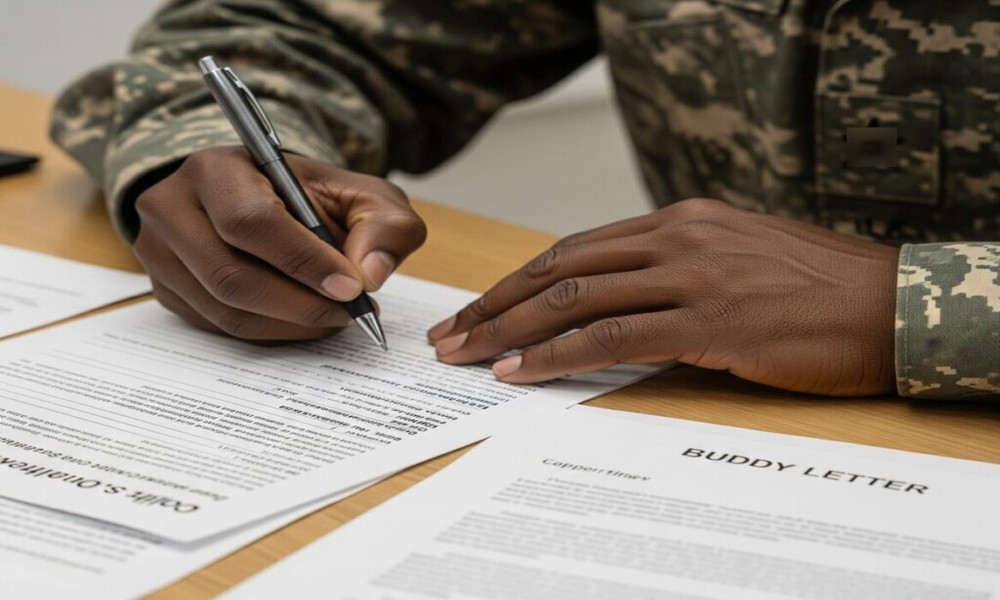
Receiving a denial of VA disability benefits can be frustrating and discouraging, but a denial does not necessarily mean the end of the process. Many veterans successfully obtain benefits through the appeals system by building a strong and well-supported case. Understanding the steps involved in creating a solid VA benefits appeal can significantly improve the likelihood of success.
Review the VA Decision Letter
The first step in building a strong appeal is carefully reviewing the VA decision letter. This document explains why the claim was denied or why a lower disability rating was assigned. Veterans should pay close attention to the evidence the VA considered, the laws applied, and any missing information identified in the decision. Understanding the exact reason for the denial helps determine what evidence or arguments are needed moving forward.
Compile Medical Evidence
Next, veterans should gather all relevant medical evidence. Strong medical documentation is often the foundation of a successful VA appeal. This may include treatment records, diagnostic testing, physician opinions, hospital reports, and mental health evaluations. Veterans should ensure their records clearly document the severity of their condition, the symptoms experienced, and how the disability affects daily life and employment.
A nexus opinion can also play a critical role in a VA appeal. A nexus letter is a written medical opinion from a qualified healthcare provider linking the veteran’s current condition to military service. In many denied claims, the VA concludes there is insufficient evidence connecting the disability to service. A detailed nexus opinion explaining the connection between the condition and military duties can strengthen the appeal considerably.
Statements of Support
Veterans should also consider obtaining lay statements from family members, friends, coworkers, or fellow service members. These statements can provide valuable insight into how the disability affects the veteran’s life and may help establish the onset of symptoms or ongoing limitations. Personal statements from the veteran are equally important and should explain the daily impact of the condition in clear and specific terms.
Another important step is identifying the proper appeal option. Under the modern VA appeals system, veterans generally have three choices: filing a Supplemental Claim, requesting a Higher-Level Review, or appealing directly to the Board of Veterans’ Appeals. A Supplemental Claim allows the submission of new and relevant evidence. A Higher-Level Review requests a senior VA reviewer to reexamine the claim without new evidence. An appeal to the Board allows a Veterans Law Judge to review the case and may include a hearing.
Submit Within the Applicable Deadline
Meeting deadlines is essential throughout the appeals process. In most cases, veterans have one year from the date of the VA decision to file an appeal. Missing deadlines can result in delays or the loss of potential back pay benefits. Keeping organized records and maintaining copies of all submitted documents can help avoid unnecessary problems.
Veterans should also consider seeking professional assistance. Accredited representatives, veterans service organizations, claims agents, and attorneys experienced in VA disability law can help identify weaknesses in a claim and develop a stronger appeal strategy. These professionals understand the complex VA system and can assist with gathering evidence, preparing legal arguments, and meeting procedural requirements.
Building a successful VA benefits appeal takes preparation, persistence, and strong supporting evidence. By understanding the reasons for the denial, collecting detailed medical documentation, submitting persuasive statements, and choosing the correct appeal path, veterans can improve their chances of securing the benefits they earned through their military service.