

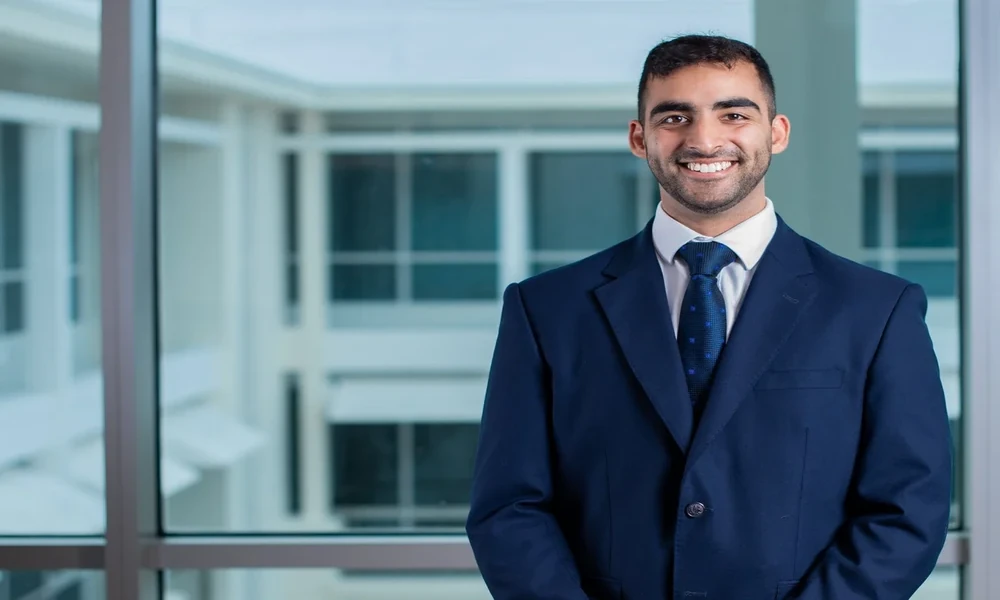
A byline photograph helps a reader connect an article with a person. It does not prove that the person’s argument is correct or establish qualifications on its own. When a publication requests a contributor image, start with that modest purpose. Choose a current, legible portrait and supply accurate identification separately, rather than trying to fit an entire professional reputation into a small square beside the text.
Let the name and role carry the factual claims
An expert contribution may reach people who have never encountered its author before. Give the editor the correct name, relevant role and any affiliation that should accompany the article. Make clear which details belong to the person and which describe an organization. A photograph containing a logo or a recognizable workplace does not remove the need for that explanation. It can actually introduce ambiguity if the article represents an individual view rather than an institution’s position.
Separate the image request from the review of professional descriptions. The contributor and publication may need to agree how a role, qualification or relationship is worded, and some professions or organizations have their own requirements. That is a matter for the responsible people, not a problem solved through lighting, posture or clothing. Avoid asking the photographer to make you look like a category of expert whose status has not been established in the accompanying information.
If you expect to contribute regularly and do not have a suitable image, you can review professional headshot session information from Indigo Visual as one Toronto option. Explain the likely editorial uses and ask about the files you would receive. A headshot session can supply a photograph for consideration; it does not provide editorial approval, a publication relationship or permission to imply another organization’s endorsement. Those boundaries are worth keeping clear from the outset.
Check whether an existing portrait is already adequate before commissioning anything. You may have an approved current image from a staff directory or earlier professional assignment. Confirm that its use is appropriate and that a suitable original file is available. A new article does not always need a new photograph. The relevant question is whether the image identifies you clearly in this setting, not whether it was created specifically for the subject of the contribution.
Compose for the modest space a byline receives
Ask the editor what the image area looks like. A small circular portrait, a narrow author column and a large opening profile have different cropping needs. Obtain dimensions or a sample where available, and avoid assuming that every publication uses the same format. If the final image will be small, a complicated environment or an important detail near the edge may contribute little. The reader should not need to enlarge the photograph to work out where the contributor’s face is.
Test a proposed crop against a rough version of the byline. Include the actual name and role text, rather than judging the photograph in a full-screen gallery alone. Look for practical problems: the face is too small, a circular mask removes part of the head, or a busy background competes with the short introduction. These observations can guide a change in crop or the choice of another file without turning the review into an argument about which image looks most authoritative.
Keep the presentation proportionate to the content. A dramatic environmental portrait may suit a long personal feature, while a neutral headshot may fit a recurring technical column. Neither format establishes that the article is more reliable. Choose the image that belongs comfortably in the publication’s layout and accurately represents the contributor. If the editor requests an image style that feels misleading, discuss a simpler alternative rather than solving the discrepancy through exaggerated props or an invented setting.
Supply the version the editor can actually use. A screenshot from a social profile or an image copied from a presentation may have lost quality or include unwanted text. Locate the approved delivery file and send it with a clear filename. If alternative crops are supplied, distinguish them without requiring the editor to guess which is current. Include the relevant image-credit or usage information when applicable, and ask about anything you do not understand before sending the file onward.
A portrait is not a seal of approval
The image and article should support different parts of the reader’s understanding. The portrait identifies the contributor; the text explains the reasoning, evidence and limits of the argument. A polished image cannot repair an unsupported statement. Equally, an ordinary-looking photograph should not need to be transformed into a spectacle before a thoughtful contribution can be published. Keeping the roles separate makes the visual decision less anxious and the editorial review more focused.
Consider how the photograph might travel with extracts or promotion for the article. Ask which uses are intended and make sure the image supplied is suitable for those agreed purposes. A contributor portrait placed beside a quotation should not silently turn the person into a general spokesperson for everything the publication covers. If an extract or caption changes the apparent relationship, raise that with the editor. Do not assume the original page is the only place where context matters.
After publication, check the visible identification and crop. If your name, role or photograph is wrong, request a specific correction. There is usually little value in restarting the selection process simply because you have since seen another attractive portrait. Maintain a clearly labelled current image for future requests and review it when there is a real change in appearance, role or intended use. That is a more manageable process than treating every contribution as a new personal-branding exercise.
Once the editor has a legible photograph and accurate identification, the image has done its work. The reader can connect the words with a person. Let the contribution earn attention through its evidence and reasoning, without asking the portrait to make a promise the article itself cannot support.